Think back to the last time you tried matcha and walked away unimpressed. Chances are you decided it simply wasn't your thing: too bitter, too earthy, too much like pond water in a cup. But what if the flavor was never the problem? More often than not, what ruins a cup of matcha is how it feels, not how it tastes. Gritty specks and stubborn clumps hijack your attention, and a perfectly good tea gets blamed for a texture it was never meant to have. The good news is that texture is one of the easiest things to fix once you know what's behind it.
The Mouthfeel Behind the Magic
Ask anyone who loves matcha what keeps them coming back, and they'll rarely lead with flavor alone. They'll talk about how the drink glides across the tongue, rounded and creamy, almost comforting. That sensation is all texture, and it's the dividing line between a cup that feels like a chore and one that feels like a treat. When gritty bits are floating around, your mouth keeps noticing them, and the subtle sweetness and depth of the tea never get a chance to come through.

It All Starts With the Grind
The reason some powders feel luxurious while others feel rough comes down to how the leaf is milled. Top-tier matcha is traditionally ground slowly between granite stones until the particles measure somewhere between 5 and 10 microns, a fineness that surpasses even baby powder. Just as important, the particles are all about the same size. Because they’re so even, they spread out through the water and stay afloat, and whisking turns them into a dense, creamy foam that holds. The result is a drink that feels silky from the very first sip to the last.
Faster industrial milling tends to produce a mix of sizes, some very fine and some noticeably coarse. The heavier particles sink quickly, the foam fades sooner, and you can end up with a sandy sip or a layer of sludge at the bottom of the cup. Both powders come from the same plant, yet the experience couldn’t be further apart.
When Things Go Wrong in the Cup
Even a decent powder can disappoint if it's handled carelessly. An uneven grind is the most obvious cause, but preparation plays an equally big role. Matcha that goes straight into water without being sifted will clump. Powder that isn't whisked or blended properly will leave pockets of dry tea behind. And if the leaf itself is low in quality, no amount of technique will fully rescue it. If your matcha routinely turns out grainy, one or more of these is almost certainly to blame.

Three Small Habits for a Smoother Matcha
The fixes are refreshingly simple. Start by sifting your powder through a fine mesh sieve before any liquid touches it. Breaking up clumps while the matcha is still dry is the most effective thing you can do, and it only takes a moment. Next, pay attention to your water. Boiling water scorches the tea and brings out harshness, so let it cool to around 75-80°C for a mellower, better-balanced result. Finally, don't dump everything in at once. Add a small splash of water to your sifted powder and work it into a thick, glossy paste first. Once it's completely smooth, stir in the rest of your water or milk, and you'll find there's nothing left behind to disrupt the texture.
Choose a Powder That Stays Suspended
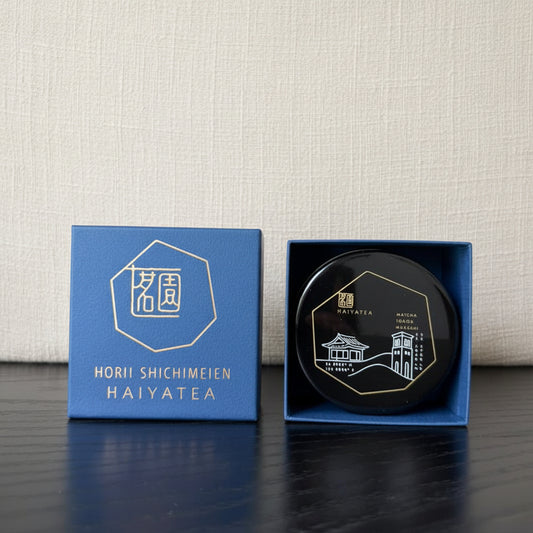
Here’s a fun fact: matcha doesn’t actually dissolve. The tea is made of tiny particles that hang suspended in the water, which is why the quality of the grind matters so much. Great texture shouldn’t feel like an elaborate ritual; it should come naturally from a matcha that’s made to stay afloat. Our selection of Ceremonial Grade matcha is exactly that: stone-ground, beautifully fine and forgiving, with a smooth, creamy foam that suits first-timers and seasoned matcha drinkers equally well.
Ready to experience the difference yourself? Head over to our site today to pick your next favorite matcha!